Author: AutoPoster
-

Do You Really Need Gendered Pronouns? Surprising Facts About Inclusive Language in Today’s World
Language is constantly evolving, and nowhere is this more evident than in the debate around gendered pronouns. Whether you’re learning English, Spanish, German, or Mandarin, navigating pronouns can be a challenge—not just for grammar, but for social communication. But how essential are gendered pronouns in achieving fluency and effective conversation? And what are the unexpected…
-
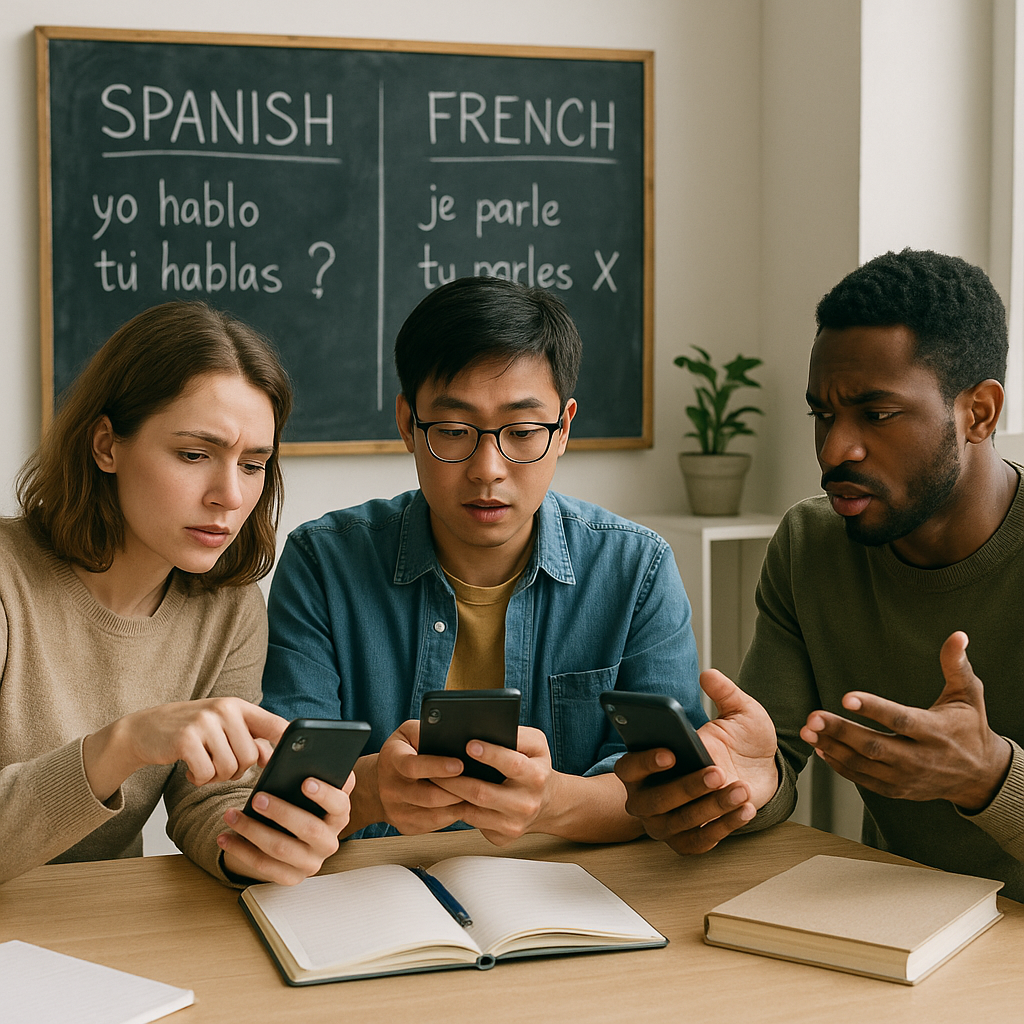
Why Language Apps Can’t Agree on Grammar: What Every Learner Needs to Know About Competing Rules
Did you ever notice how one language app says “I have gone” is correct, but another marks it wrong in the same exercise? Or perhaps you’ve wondered why your Spanish app insists on “vosotros” while your class never mentions it. If you’ve felt lost between competing apps, textbooks, or teachers, you’re not alone! There’s a…
-

What’s Wrong with Language Textbooks? Hidden Shortcomings You Need to Know Before You Start
Traditional language textbooks have long been regarded as the foundation for learning a new language. Packed with vocabulary lists, grammar rules, and cultural notes, they may appear to be an effective way to build a strong language base. But is there more to the story? Beneath their glossy covers, textbooks may not always deliver what…
-

Why Do Some Languages Sound So Fast? The Science Behind Speedy Speech and How to Keep Up
Have you ever listened to native speakers of French, Spanish, or Japanese and thought, “How are they talking so fast? Is it even possible to understand or keep up with that?” You’re not alone! Many language learners—and even linguists—have asked why some languages seem to zoom by at lightning speed, while others feel more relaxed…
-
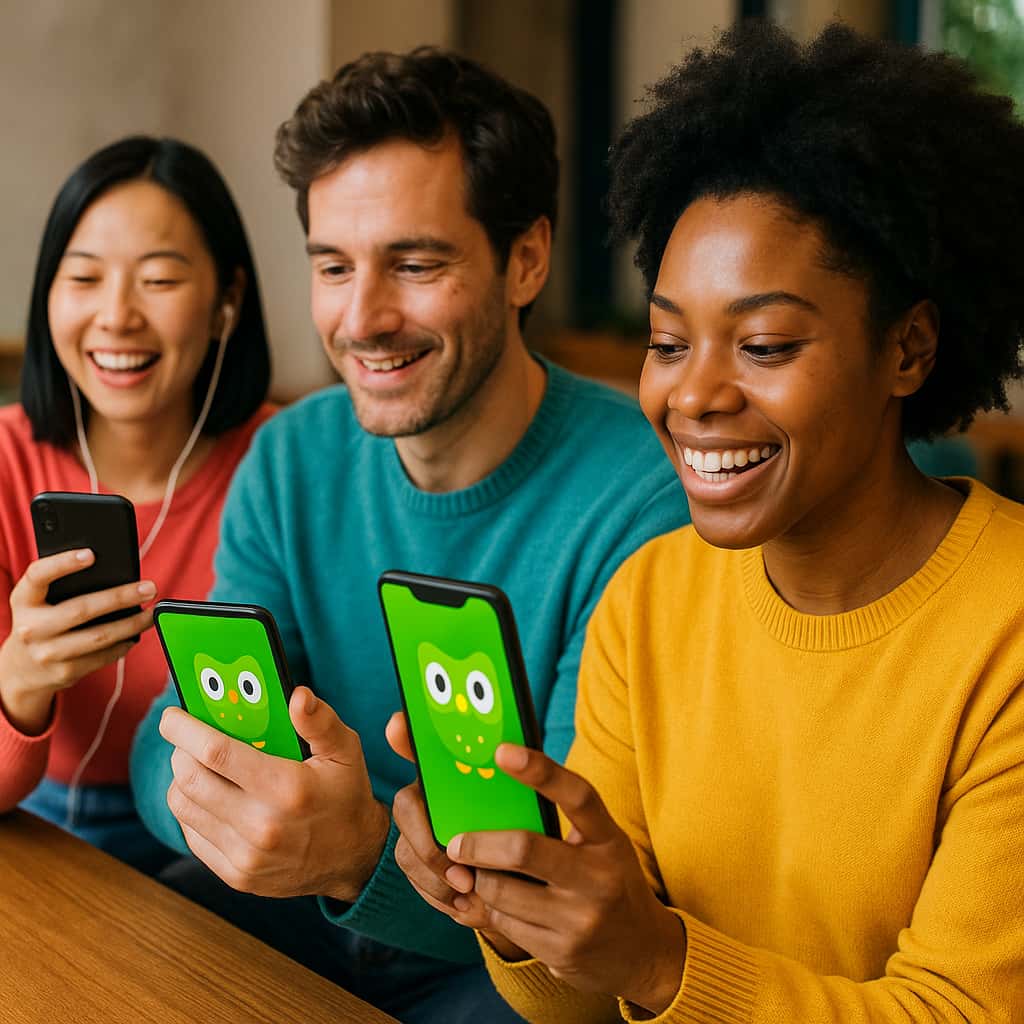
Is Duolingo Making You Fluent or Just Addicted? What Science Says About Gamified Language Apps
Language learners everywhere have gravitated to gamified apps like Duolingo, lured by daily streaks, XP, and a parade of leveling-up animations. The promise is clever: squeeze in a few minutes of practice each day and you’re on track to speak a new language. But how much do these streaks and rewards actually improve your spoken…
-

Pidgin vs. Creole: Are These Real Languages or Linguistic Mischief?
What’s the difference between a pidgin and a creole? For many language learners, these terms crop up in linguistics classes or get thrown around in cultural discussions, yet they often feel mysterious and a bit slippery. Are pidgins and creoles “real” languages, or are they quirky hybrids that sit apart from more traditional tongues? The…
-

How Long Does It REALLY Take to Learn a New Language? The Timeline Myths Busted
How long does it take to learn a new language? If you’ve ever started learning Spanish, French, Japanese—or any language, really—you’ve probably heard estimates ranging from “just three months for basic fluency!” to “it will take you years!” The truth behind these claims is more complex, and the real answer depends on much more than…
-

Why English Words Sound So Weird: The Shocking Truth Behind Spelling and Pronunciation
Have you ever wondered why the spelling of “knight” looks nothing like its pronunciation, or why “colonel” is said as “kernel”? English is notorious for weird word spellings and sounds, leaving even native speakers scratching their heads. This confusion goes much deeper than simple irregularities—there’s a fascinating web of history and language change behind every…
-

Is Your Native Language Secretly Sabotaging Your Second Language? Surprising Interference Effects Explained
Every language learner brings a unique background to the table, and your first language is often your closest ally. But what if the very traits that make you fluent in your mother tongue are quietly creating hurdles in your journey toward a second language? There’s an intriguing source of confusion lurking beneath the surface—one that…