Category: talkio
-
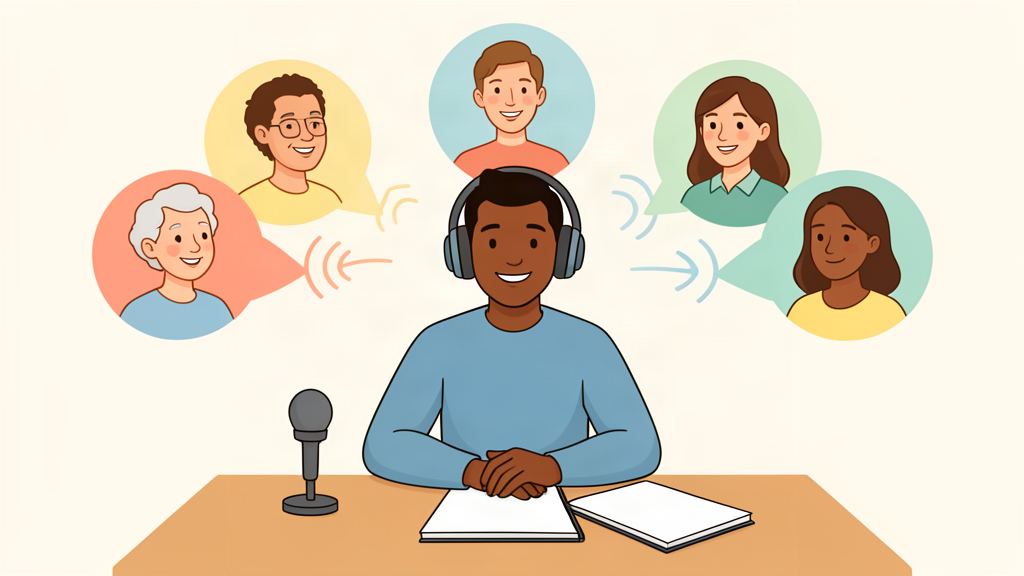
Why listening to more voices can train your ear
Research on high variability phonetic training suggests that practising with several voices can help language learners recognise difficult sounds and adjust to unfamiliar speakers.
-
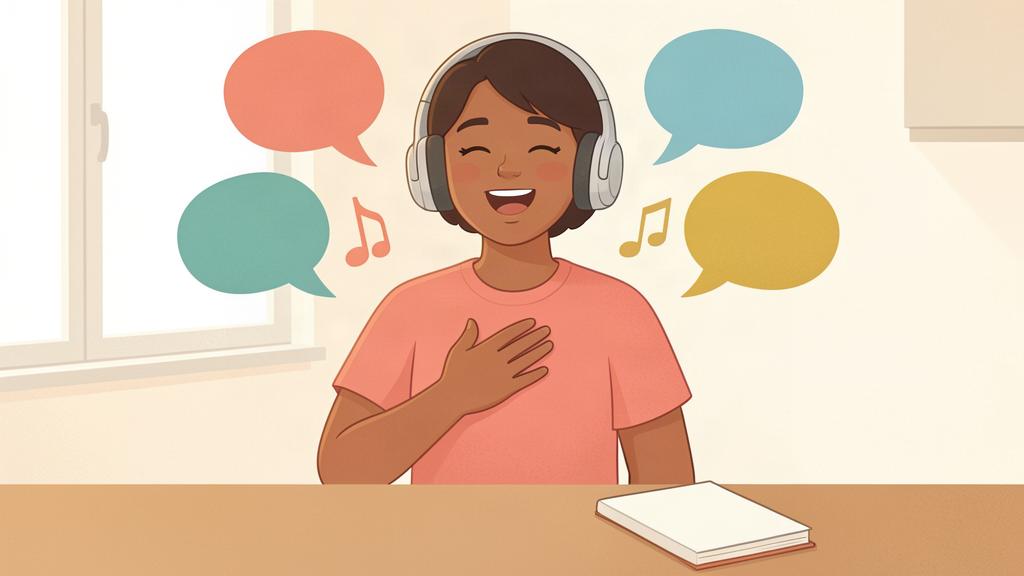
Can singing help you learn a language? What the research says
Singing a new phrase may help you remember its sounds and say it later. Here is what the research shows, plus a simple sing-and-speak routine.
-
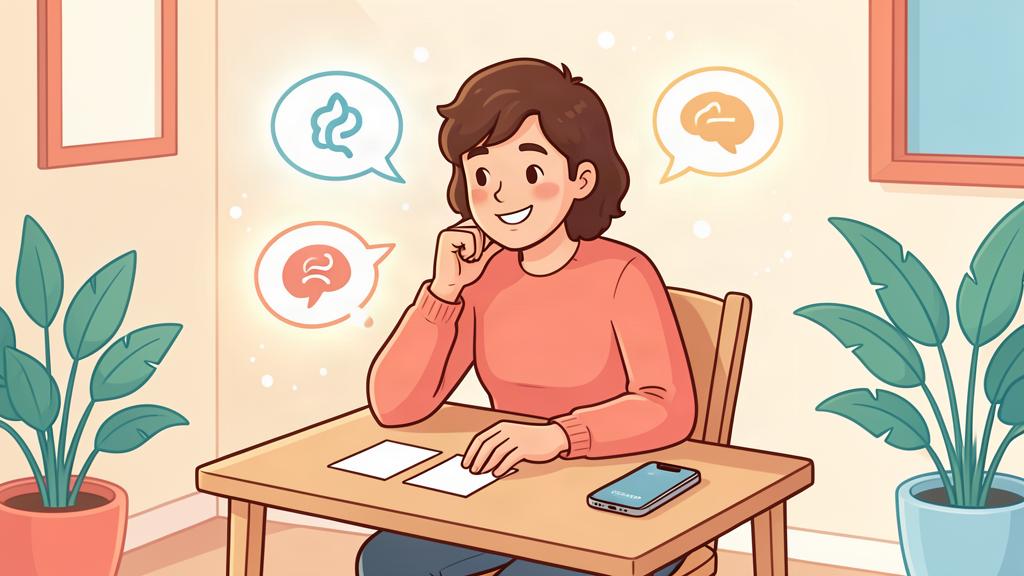
Why Trying to Remember a Word Helps You Learn It
Trying to recall a new word before checking the answer can make it easier to remember later. Learn what retrieval practice research shows and try a simple ten-minute routine.
-
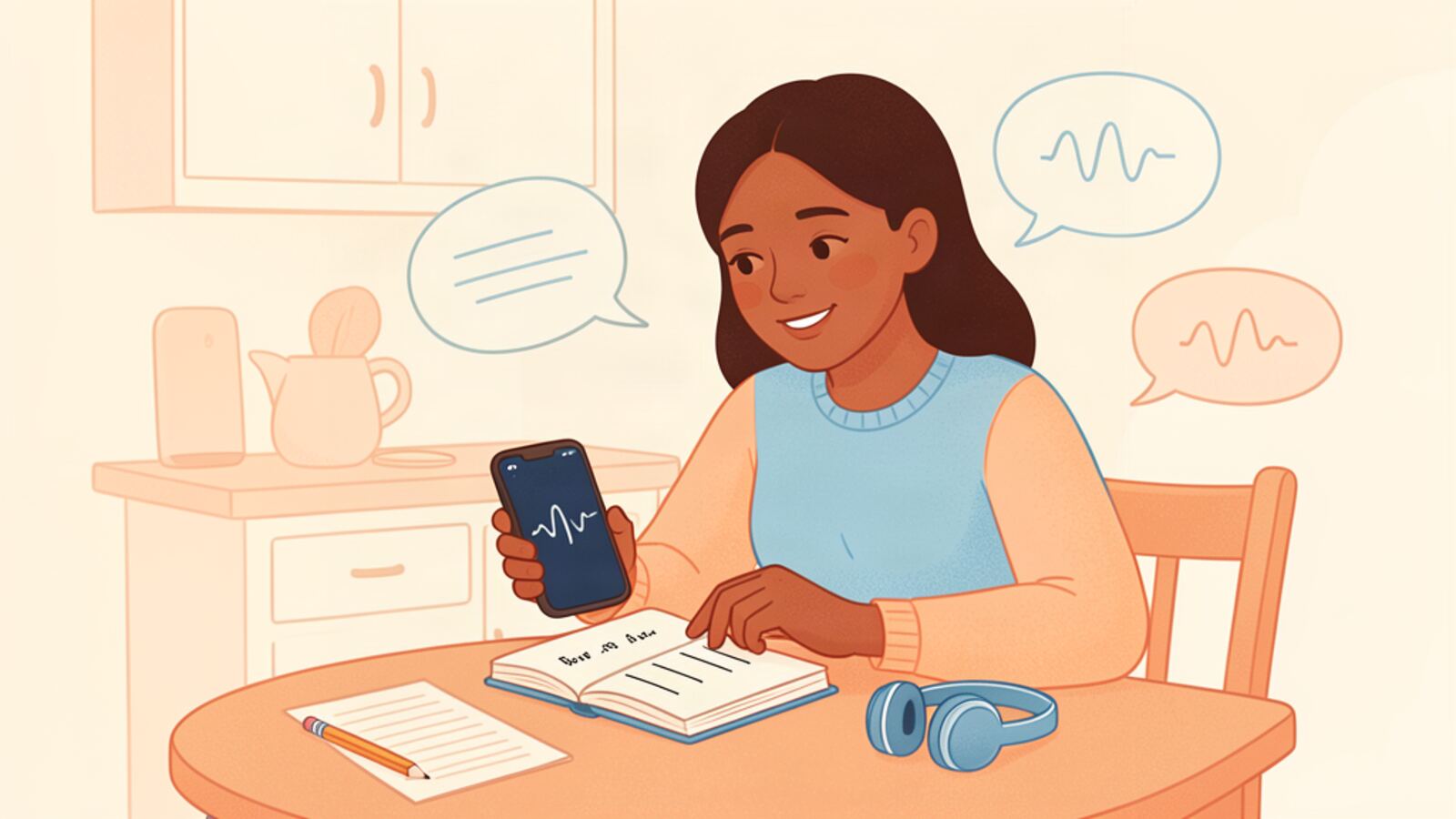
Build a Speaking Error Log That Turns Mistakes Into Progress
You receive a correction, understand it, and make the same mistake two days later. That is not proof that you are “bad at languages.” It is usually proof that the correction never became something you could retrieve while speaking. Most learners treat feedback like a notification: read it, agree with it, dismiss it. A better…
-

Can gestures help you remember new words? What the research says
Meaningful hand movements may give new vocabulary another route into memory. Here is what gesture-learning research says and a simple routine to try.
-

The 3-Pass Subtitle Method for Stronger Listening Skills
Translated subtitles can make a video feel easier without training your ears. Use this three-pass method to listen, check, and speak with one short clip.
-
Speak Faster With the 4-3-2 Fluency Drill
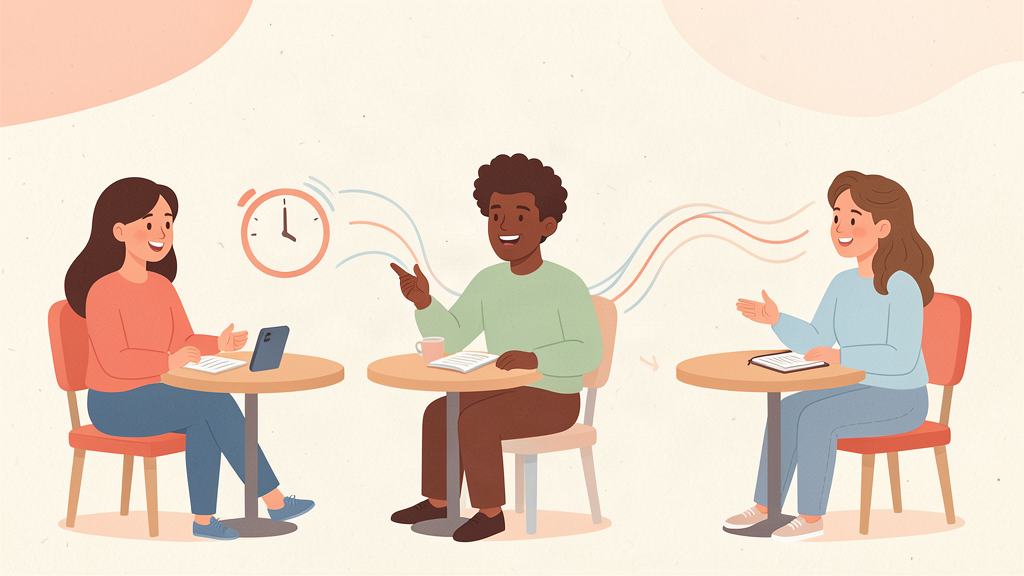
The 4-3-2 speaking drill turns one familiar story into focused fluency practice. Learn the research, the RACE framework, and a practical 15-minute routine.
-

How Sleep Helps New Vocabulary Stick After Language Practice
Sleep will not teach you a language by itself, but research suggests it can help newly learned words survive. Here is a simple practice, sleep, and review routine.
-
The Chunking Method: Learn Phrases Instead of Single Words
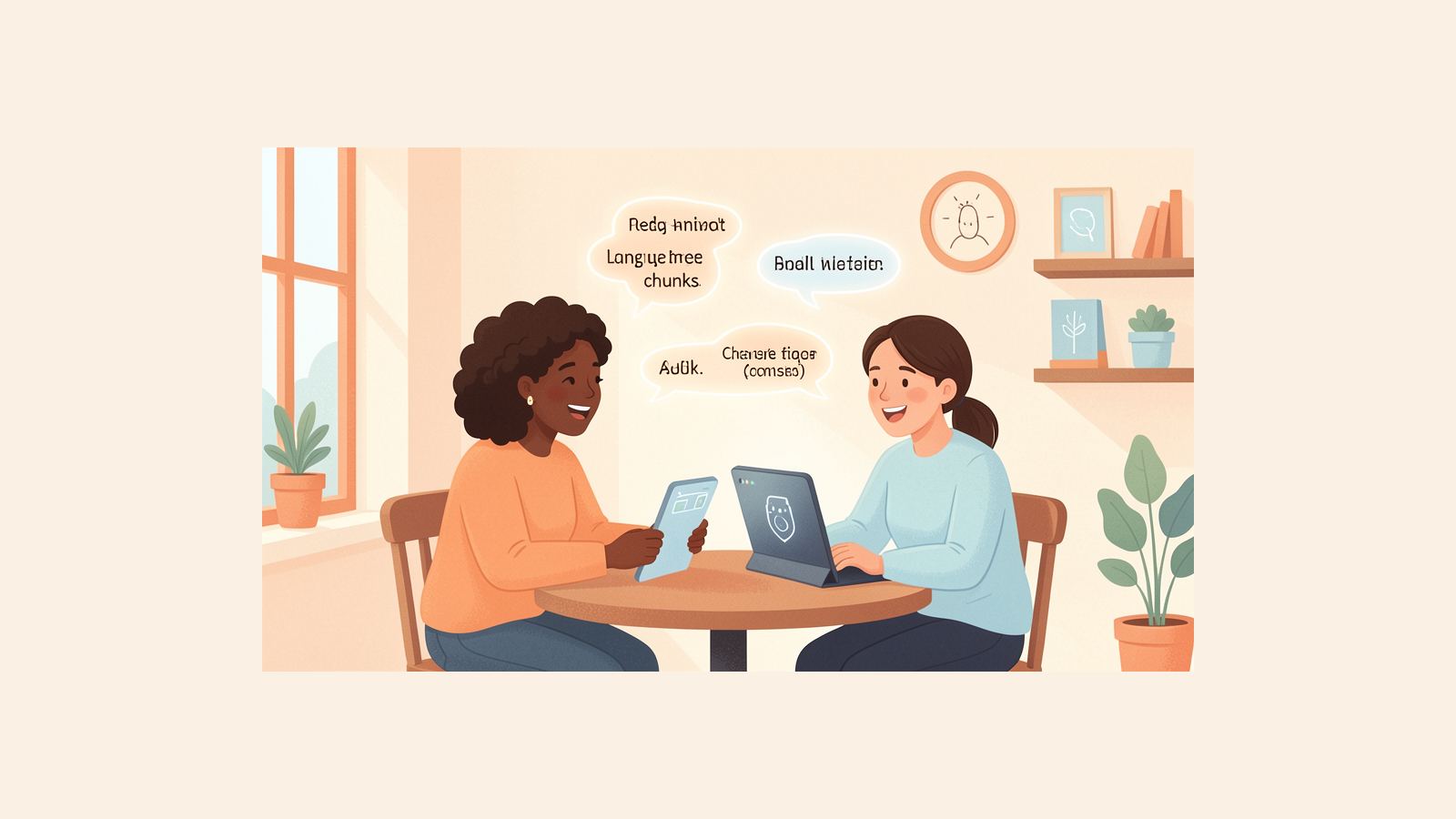
You know hundreds of words. Then someone asks a simple question, and your mind starts assembling a sentence like flat-pack furniture: noun, verb, tense, preposition, panic. The usual diagnosis is “I need more vocabulary.” Often, that is wrong. The real problem is that your vocabulary is stored as loose pieces instead of ready-to-use language chunks:…
-
12 Conversation Repair Phrases for When You Don’t Understand
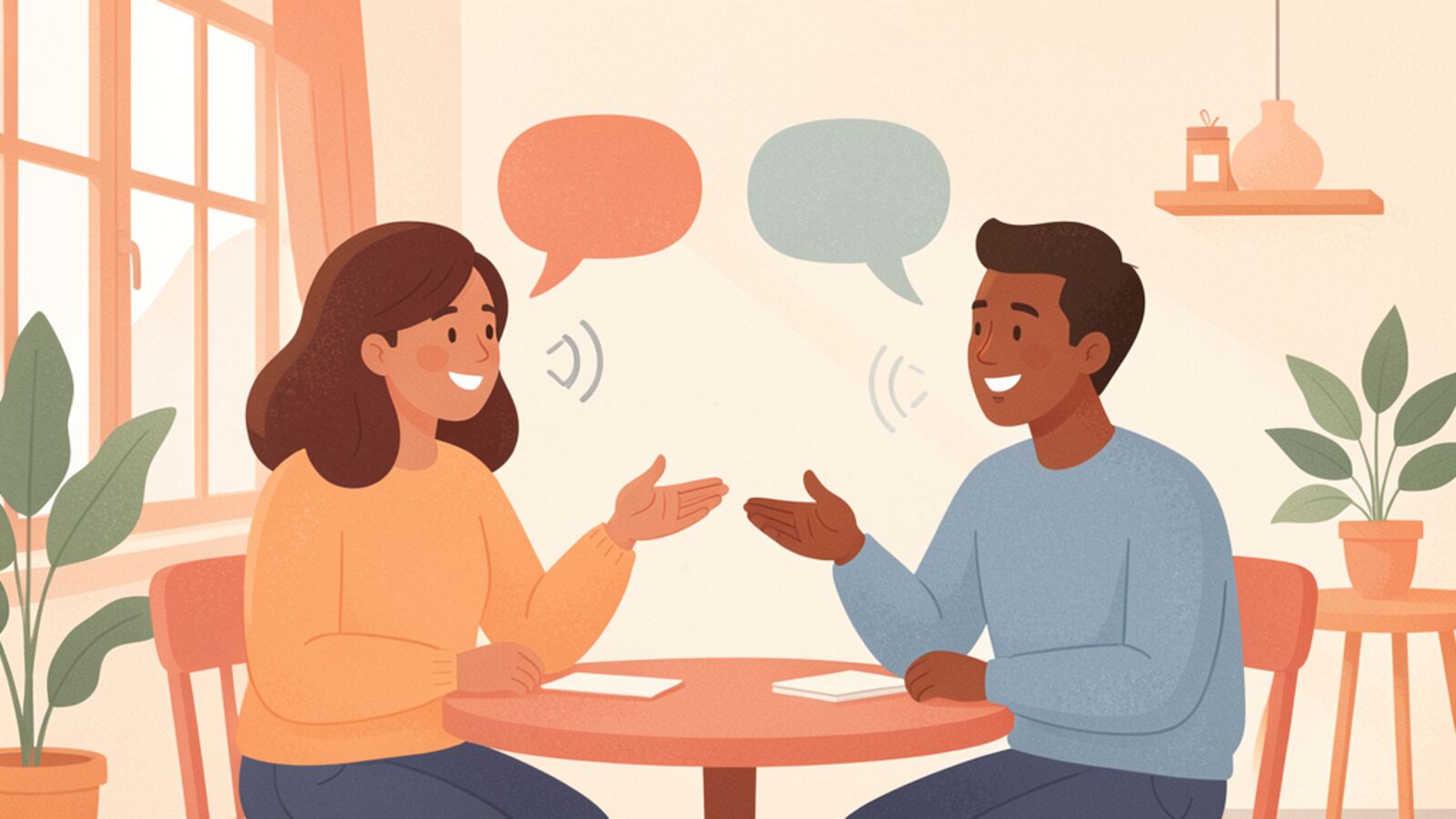
Stop faking understanding. Learn 12 natural conversation repair phrases and a four-step practice loop for keeping second-language conversations moving.